
You switch on the kitchen light at midnight and watch something dark scurry under the fridge. That uneasy feeling in your stomach is completely understandable.
Cockroaches are not just disgusting. They multiply fast, spread diseases, and trigger asthma in kids. Bradford’s older homes with cracks and crevices near plumbing areas give these nocturnal pests perfect hiding spots they love.
The good news is that catching the problem early makes all the difference. Recognizing the signs of cockroach infestation can help you take action before it becomes a serious issue. However, if you miss the early warning signs, you may have to face a full-blown colony that becomes way harder to eliminate.
Why Bradford Homes Attract Cockroaches
Bradford’s housing pattern works against you when it comes to Cockroach prevention. Those beautiful older homes have wall cavities, old plumbing, and hundreds of entry points you cannot even ee.
Moisture from humid summers only worsens thse problem. Leaky pipes under sinks, condensation in basements, and inadequate ventilation in bathrooms all attract roaches looking for water sources. These bugs need three things: food, water, and warmth. Most homes provide all three without homeowners ever realizing it.
German cockroaches are the most common species in this area. They are smaller than American cockroaches but breed faster. One female cockroach can produce up to 400 offspring in her lifetime. Oriental cockroaches prefer cooler, damp areas like basements and crawl spaces.
Clear Signs of Cockroach Infestation
Cockroach Droppings
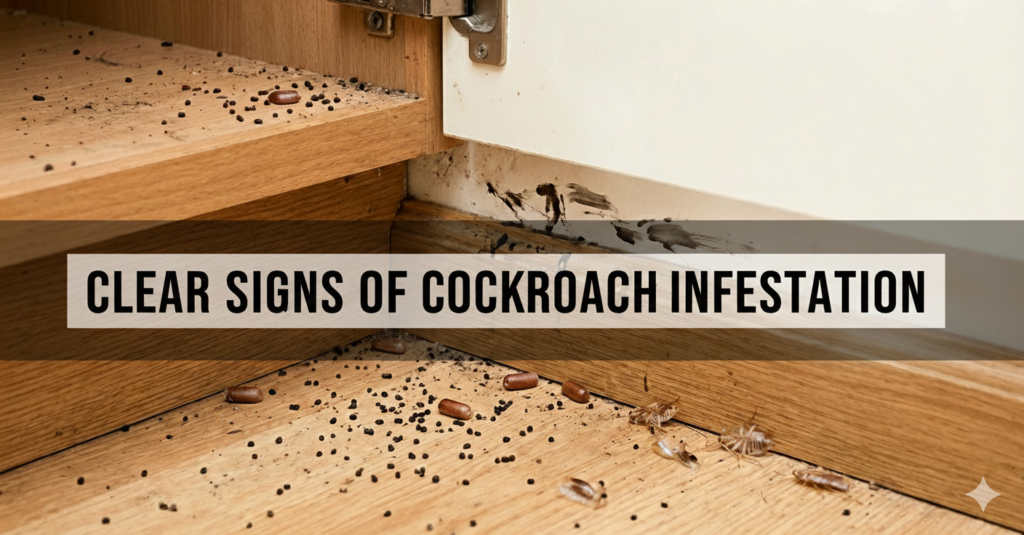
Cockroach droppings resemble black pepper or coffee grounds scattered along baseboards, inside cupboards, and behind appliances. German cockroach droppings are smaller and look like tiny black specks. Check the back corners of kitchen cabinets where you store pots and pans. Fresh droppings appear dark and moist, while old ones turn powdery. Piles of pepper-like droppings in multiple rooms indicate a serious infestation that requires immediate professional help.
Musty Odor
That weird smell you cannot quite place signals trouble. Cockroaches produce pheromones that create a distinct, musty, and oily odor. The stench intensifies as the infestation spreads.
Oriental cockroaches
produce the strongest odor compared to other species. The unpleasant smell that reminds you of old grease mixed with something sweet and rotten indicates roach activity.
Egg Cases (Oothecae)
Egg capsules look like small brown or reddish-brown pill-shaped cases, measuring approximately 5 to 10mm in length. German cockroaches carry their egg cases until right before hatching. American cockroaches drop theirs in protected spots near food sources.
Look for oothecae behind the refrigerator, under sinks, inside motor areas of appliances, and in dark corners of closets. Finding even one egg case means there is a breeding population somewhere in your home.
Smear Marks and Grease Streaks
Cockroaches leave dark, irregular smear marks on walls where they travel regularly. These grease marks appear along the bottom edges of walls, behind furniture, and near plumbing areas. The marks originate from an oily substance on their bodies, which mixes with feces and dirt.
Live Cockroach Sightings
Seeing cockroaches during the day raises a red flag. These are nocturnal creatures that hide during the day. Daytime sightings indicate that the population is so large that they are competing for space and being pushed out of their hiding spots.
Shed Skins (Molted Exoskeletons)
Cockroaches shed their outer shell 5 to 8 times as they grow from babies to adults. You will find these empty skins piled up behind appliances, inside cabinets, and near floor drains where roaches like to hide.
These shed skins look like see-through ghost versions of the roach itself. When you spot them next to droppings and egg cases, it means you have got multiple generations breeding somewhere in your house right now.
Property Damage
Cockroaches are not picky eaters. They chew on book bindings, wallpaper paste, leather, and even each other. Unusual damage to food packaging, such as chewed corners on cereal boxes and holes in paper goods, all point to roach activity.
Step-by-Step Detection Checklist
Week 1: Visual Inspection
- Grab a flashlight and check every kitchen cabinet and drawer
- Pull out the refrigerator and look behind and underneath it
- Get under all your sinks and search for droppings and egg cases
- Check dark corners in your basement and attic
- Take photos of anything suspicious you find
Week 2: Monitor Hot Spots
- Put sticky traps near the areas where you think roaches are hiding
- Check your traps every single day and write down which spots are catching roaches
- Keep track of how many roaches you are catching
- Open up cabinets you never use and inspect them
Week 3: Deep Investigation
- Move your stove and fridge completely away from the wall
- If you can access wall cavities near pipes, check inside them
- Inspect all plumbing areas with good lighting
- Look along your baseboards for grease marks
- Figure out how bad your infestation actually is based on what you found
Once you confirm roaches are living in your home, understanding the health threats you’re really up against becomes critical.
Health Risks of Cockroach Infestations
Cockroaches carry bacteria, including E. Coli, Salmonella, and Staphylococcus aureus, on their bodies. They pick up pathogens from garbage, sewers, and decaying matter, then spread them across your counters and dishes.
Allergens from cockroach feces, saliva, and shed skins trigger asthma attacks in children. Studies have shown that children living with roach infestations are at high risk of developing respiratory problems. The allergen particles become airborne and get inhaled, causing allergic reactions, skin rashes, and breathing difficulties.
Food contamination happens when roaches walk across your food or food sources. They regurgitate digestive fluids and defecate while eating, which spreads disease vectors directly into what you are about to consume. Gastroenteritis, cholera, and other serious illnesses are associated with cockroach exposure, according to the Centers for Disease Control and Prevention.
Natural Methods for Managing Small Infestations
Diatomaceous earth (food-grade only) cuts through the cockroach exoskeletons, causing them to dehydrate. Sprinkle it along baseboards, behind appliances, and in cupboards. The powder sticks to roaches as they walk through it. Reapply after cleaning or if the area becomes wet.
Boric acid kills cockroaches when they ingest it while grooming themselves. Mix it with sugar to create bait. Place small amounts in dark corners, under sinks and behind the fridge. Keep it away from kids and pets, even though it is less toxic than commercial pesticides.
Bay leaves and catnip act as natural repellents. Cockroaches hate the smell. Crush dried leaves and scatter them in cabinets and drawers. This will not eliminate an infestation, but it helps keep roaches away from specific areas.
Cucumber peels contain a compound that roaches find repulsive. Place fresh peels near cracks and crevices overnight. Replace daily for best results. Again, this is prevention, not elimination.
Professional Pest Control Methods
Integrated Pest Management (IPM) employs a complete approach rather than relying on a single method. Real exterminators do not just show up, spray, and leave. They identify the species you have, locate where they are breeding, remove their food and water sources, seal up entry points, and then treat them with methods that actually work.
Bait stations use food that roaches cannot resist, mixed with poison that kills slowly. The roaches eat it, go back to their nests, and die there. When other roaches eat the dead ones, they also die, creating a domino effect that ultimately eliminates the entire colony. Experts know exactly where to place these based on the behaviour of different roach species.
Heat treatment raises the temperature in a room to 140°F, which kills every roach at every stage, including eggs. You need special equipment for this, and it works best when you have a really bad problem in specific rooms. No chemicals are involved, making it perfect for anyone in your family with allergies or those who prefer a pesticide-free environment.
Insect growth regulators interfere with how roaches develop, preventing them from maturing and reproducing. Mix this with regular bug killers, and you get a one-two punch that handles the roaches you have now while stopping new generations from taking over.
Prevention Tips That Actually Work
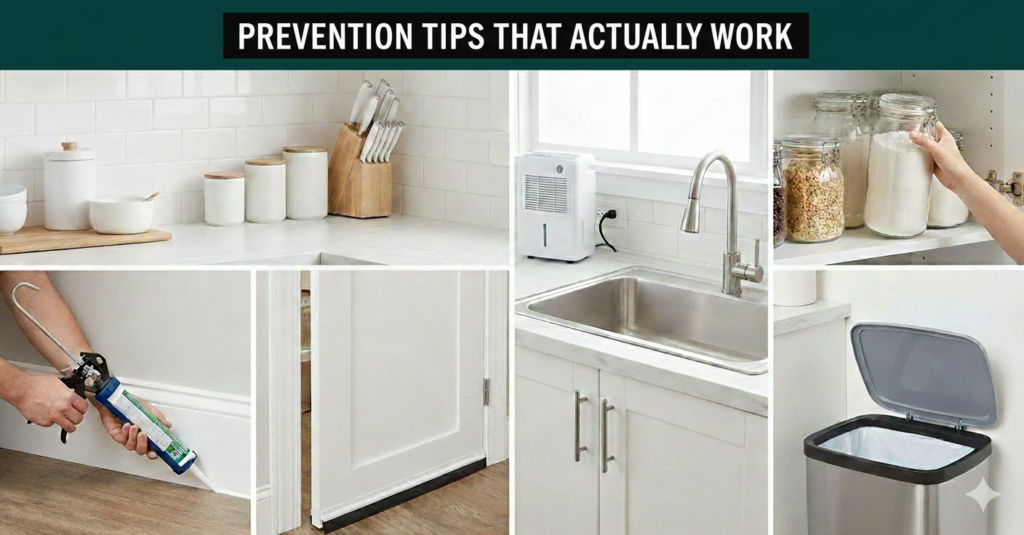
Seal entry points using caulk around pipes, baseboards, and anywhere two different materials meet. Cockroaches squeeze through cracks as thin as a credit card. Install door sweeps on all exterior doors. Replace damaged weatherstripping around windows.
Eliminate water sources immediately. Fix leaky faucets and pipes right away. Wipe down sinks and tubs before bed. Do not leave standing water anywhere, including pet bowls, overnight. Use a dehumidifier in damp basements to reduce moisture.
Store food properly in airtight containers made of glass or thick plastic. Never leave dirty dishes sitting overnight. Crumbs and spills get cleaned up immediately, not later. Empty your garbage daily and use bins with tight lids.
Reduce clutter, especially in basements, garages, and storage areas. Cockroaches love hiding in cardboard boxes and piles of newspapers. Switch to plastic storage bins with sealed lids. Keep storage organized so you can spot signs of activity.
Clean regularly, focusing on areas that are often overlooked. Pull out the stove and fridge quarterly to clean behind them. Vacuum dark corners and along baseboards every week. Wipe down the top of cabinets where grease tends to accumulate.
Bradford-Specific Cockroach Challenges
Older Bradford neighborhoods have aging infrastructure that creates ideal habitats for cockroaches. Wall cavities between units in older apartment buildings and multiplexes allow roaches to spread throughout the building. Treating only your unit will not solve the problem if your neighbors are not receiving treatment.
Bradford’s humid summers, combined with poorly ventilated bathrooms and kitchens, create ideal conditions for Oriental cockroaches, which prefer cooler, damp environments. Basement apartments face a higher risk because ground-level units have more cracks in foundations and easier access for pests.
The city’s waste collection schedule can contribute to problems. Keeping garbage inside for days between pickups provides consistent food sources. Buildings with shared waste areas often experience worse infestations due to the accumulation of organic waste.
When to Call a Professional Exterminator
Contact professional pest control immediately if you see multiple cockroaches during daytime hours. This indicates overcrowding and a population that has grown beyond what your home can handle.
Egg cases in multiple locations indicate active breeding is occurring in several spots. DIY methods will not reach all the nests. You need commercial-grade treatments and professional inspection to find every hiding place.
Recurring infestations after trying store-bought products signal resistance or incomplete treatment. You are wasting money on methods that are not working. Professionals have access to stronger products and application techniques that actually eliminate the colony.
Health concerns trump everything else. If anyone in your home has asthma, allergies, or respiratory problems that are worsening, the roach allergens may be causing their symptoms. Professional extermination becomes a health necessity, not just a convenience.
Conclusion: Take Action on Signs of Cockroach Infestation
Signs of cockroach infestation do not improve on their own. Those pepper-like droppings, musty odors, and grease marks you are noticing will multiply into a serious infestation that becomes incredibly difficult to fix if you ignore them.
Catching the problem early gives you options. A few roaches can be controlled by thorough cleaning, sealing entry points, and strategic trapping. Wait until you see them during the day, and you are facing a severe infestation that requires professional intervention.
Most Bradford homeowners underestimate how fast cockroaches breed. A single female can establish a colony of hundreds in just a few months. The health risks to your family from exposure to allergens, bacteria, and diseases make this issue more than just a matter of disgust.
If you are dealing with confirmed signs of cockroach infestation, do not waste time on methods that only work in theory. Contact 4K Pest Control for a thorough inspection and a customized treatment plan designed for Bradford homes. Professional elimination prevents months of failed DIY attempts while your roach problem grows worse.
Frequently Asked Questions About Signs of Cockroach Infestation
Q1: How many cockroaches are there if I see one?
For every cockroach you spot, there are probably 100 to 800 hiding in your walls and cabinets. German cockroaches breed incredibly fast, with populations doubling every few weeks. If you see roaches during the day or in multiple rooms, you are dealing with thousands because they only come out when their hiding spots get too crowded.
Q2: What is the fastest way to confirm the signs of cockroach infestation?
Check behind your fridge and under sinks at night with a flashlight, looking for droppings, egg cases, or live roaches. Place sticky traps along the baseboards in your kitchen and bathroom overnight and check them in the morning. If you catch roaches or find pepper-like droppings and musty smells in several spots, you have an active infestation.
Q3: Can I get rid of cockroaches without professional help?
If you catch a small problem right at the start, you can resolve it by sealing up cracks and setting out bait stations yourself. However, once German cockroaches establish a colony, the store-bought products will not eliminate them because they cannot reach the nests hidden in your walls. Spot egg cases, see roaches walking around during the day, or still dealing with them after two weeks? Time to call in the professionals.
Q4: Are cockroach droppings dangerous to touch?
Yes, roach droppings are loaded with nasty bacteria like Salmonella and E. coli, and they also contain allergens that can trigger asthma in kids. Never touch them with your bare hands, and definitely do not sweep them up dry, as you will simply release all that dust into the air you breathe. Put on gloves and a mask, then spray everything down with disinfectant first. Wipe it up carefully, and throw it all in a sealed plastic bag.
Q5: What attracts cockroaches to clean homes?
Roaches are attracted to moisture, not the mess. Leaky pipes, condensation, and poor ventilation can draw them in even if your place is spotless. They actually need water way more than food, and they are hunting for warm spots when it gets cold outside. They also slip in through tiny cracks in your foundation, gaps around pipes, shared walls with neighbors, or they simply ride in on boxes, used furniture, and other items you bring home from the store.
Q6: Do cockroaches go away in winter?
No, cockroaches just move deeper into warm spots during Bradford winters instead of leaving. They cluster near furnace rooms, behind appliances, and inside wall cavities near heating ducts. Winter is actually the best time for professional treatment because the population tends to take shelter in predictable warm areas.