
Ant and Insect Control Bradford
- Professional Pest Control Technicians
- Proven & Affordable Ant Removal
- Customized Treatment Plans
- 100% Satisfaction Guarantee


Get a Free Quote
Pest Removal In Bradford
5 Ways We Make Ant Control Easy for You
- Our team of Bradford ant control specialists is fully licensed, experienced, and trained to address the unique ant challenges of every property.
- We offer eco-friendly ant and insect control Bradford residents trust, using non-toxic methods that are safe for your family, pets, and home.
- Need urgent help with ants? We offer 24/7 emergency indoor and outdoor ant treatment services for immediate relief and fast, effective elimination.
- Our prices are straightforward and affordable for both residential and commercial customers, offering complete transparency with no surprise charges.
- Our lawn pest control solutions guarantee long-term prevention while our proven methods keep your property completely protected and ant-free.
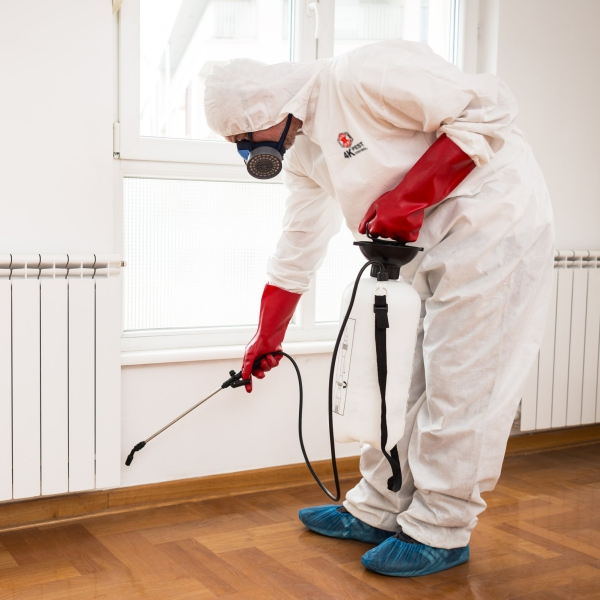
Interesting Facts about Ants
Physical Characteristics
Ants vary in size from 2 to 25 mm depending on their species and caste. Their colors range from black, brown, red, to yellow. Common features include segmented bodies with three sections, six legs, elbowed antennae, and narrow waists. Worker ants are smaller, while queens are larger with wings during mating season.
Colony Structure
Ant colonies consist of various castes, exhibiting complex colony dynamics, including workers, larvae, pupae, reproductive adults, and a queen. Winged reproductive ants emerge during spring or summer for mating flights. Outdoor colonies prefer moist areas and shelter/nesting sites, such as rotting wood, soil, under rocks, or landscape materials.
Reproduction Cycle
Queens lay eggs, developing through larval and pupal stages before emerging as workers. Initial colonies begin small, with 20-30 eggs, and grow to thousands over the years. Worker ants maintain nests, care for their young, and demonstrate foraging and communication behaviors, with scent trails guiding them to food sources up to 100 meters away.
Dietary Preferences
Ants consume proteins, sweets, fats, and plant matter, traveling up to 100 meters from nests. They forage year-round, though activity slows during winter in colder regions. Indoor winter activity indicates nests within warm building areas. They leave waste trails and pheromone paths leading to food sources, making professional outdoor ant treatment essential for effective control.
Why Are We The Best Ant Exterminator in Bradford?
As one of the trusted ant pest removal services in Bradford, our licensed professionals ensure you get the right pest control at affordable rates. We are committed to providing prompt relief to our Bradford clients affected by pest infestations.
We understand that an ant problem can quickly turn from a minor annoyance to a major issue. This is why we back our services with a solid guarantee. Before we eliminate your ant problem, here are some fascinating insights about these tiny insects you can consider.
- African ants can reach 1.5 inches in length
- Ants carry 50x their weight, equivalent to humans lifting 10,000 lbs
- Nearly 9,000 ant species exist globally
- Some ants can survive underwater for 24 hours
Despite these remarkable traits, discovering ants invading your space is never pleasant. Hence, our ant exterminator Bradford team is always available for immediate pest control assistance that can’t be delayed.
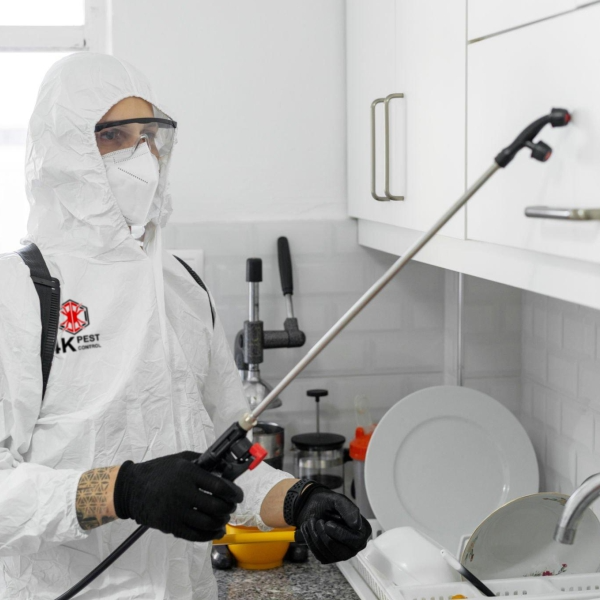
How to Eliminate Ants from Your Property
Follow this comprehensive guide to exterminate ants from your residential or commercial property effectively.
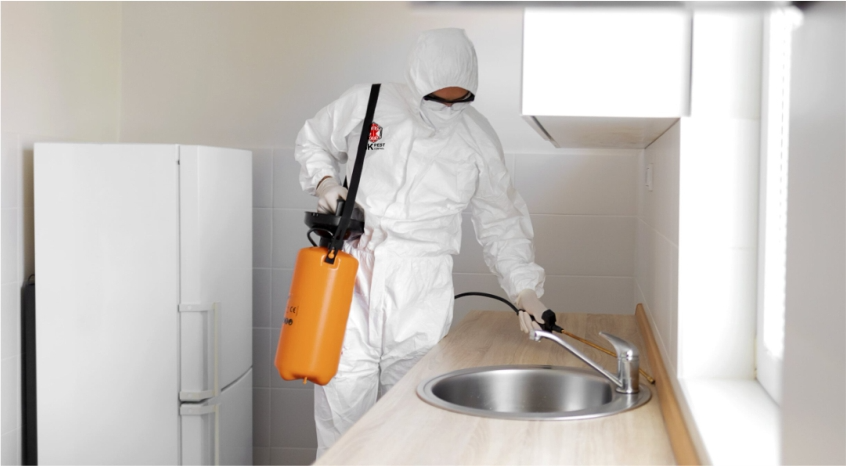
Step 1
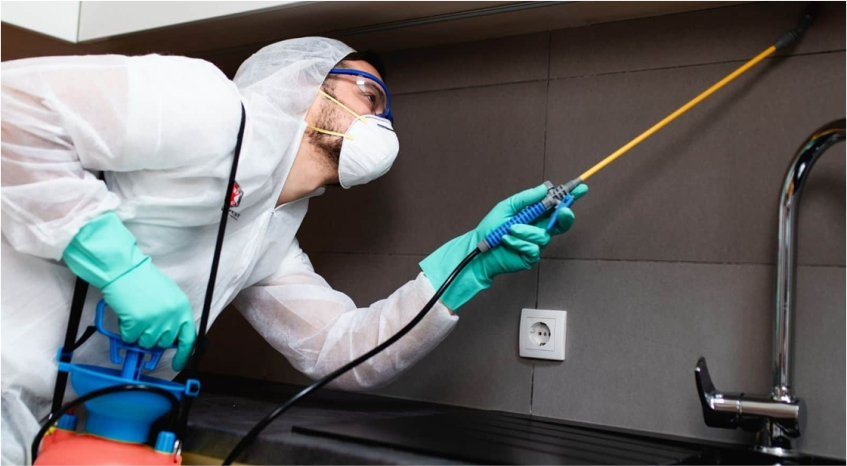
Our trained ant and insect control Bradford professionals assess your entire property, locate all areas of ant infestation, and identify the specific ant species to determine the most effective treatment approach.
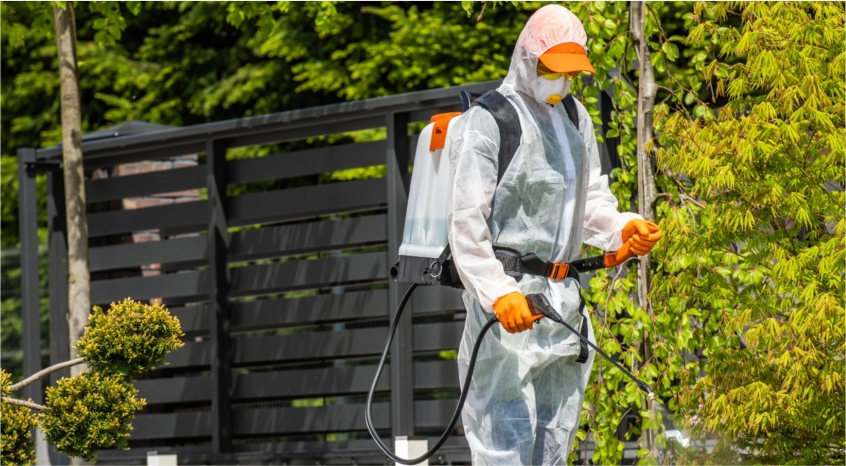
Step 2
Apply eco-friendly, industry-approved outdoor ant treatment and lawn pest control solutions, designed for your specific property needs, targeting ant nests and high-activity areas to eliminate colonies at their source.

Step 3
Carefully locate and seal all cracks, gaps, and entry points where ants access your property, creating a strong protective barrier that effectively prevents future ant infestations and keeps your home secure.
Step 4
Clean all the affected areas, remove pheromone trails, and provide expert lawn pest control tips with custom maintenance plans to ensure long-lasting protection and guaranteed results for your property.
If ants return after treatment, 4K Pest’s professional ant control exterminators will revisit to re-treat and fully eliminate the infestation.
Dealing with Ants? We’re Here to Help!
Our residential and commercial ant and insect control Bradford services are designed to ensure a clean, safe, and ant-free environment. Let our experienced ant control exterminators eliminate the ants and your stress for good!
FAQs About Expert Pest Control Bradford
What attracts ants to my lawn and outdoor areas?
Ants are primarily drawn to outdoor spaces by accessible food sources, including sugary substances, protein-rich materials, and pet food. Moisture issues from sprinklers, leaky hoses, or poor drainage also attract them. Additionally, they seek sheltered nesting sites in lawn debris, under stones, in soil cracks, and near foundations, following established scent trails left by scout ants.
How do professional pest control services treat outdoor ant infestations?
Professional pest control utilizes integrated approaches, combining strategic bait placement systems that workers carry back to eliminate entire colonies, targeted liquid treatments for visible trails, perimeter barrier applications, granular insecticides for lawn areas, and natural repellent options. Pest control technicians also identify species, locate nests, and recommend environmental modifications while maintaining ecological balance to address underlying attractants and prevent future infestations.
Are natural ant control methods effective for lawns?
DIY ant solutions like diatomaceous earth, essential oils, vinegar solutions, and specific plant-based deterrents can effectively disrupt ant trails and reduce outdoor populations. While generally slower-acting than synthetic chemicals, these eco-friendly options are safer for children, pets, and beneficial insects. The best results occur when natural repellents are combined with preventive measures and applied consistently over time.
What are common ant species found in lawns?
How can I prevent ants from returning after treatment?
When is the best time of year to treat ants in my lawn?
The most effective time to treat outdoor ant infestations is during spring and early summer when colonies are actively foraging and expanding. Treating during these peak activity periods ensures baits and treatments reach the queen and colony core. However, late summer treatments can also be beneficial before ants prepare for winter, preventing them from seeking shelter indoors as temperatures drop.
Can ants in my lawn damage the grass or landscape?
While most lawn ants don’t directly damage grass, their nesting activities can create unsightly mounds, smother grass patches, and disrupt root systems. Certain species like fire ants can kill vegetation around their nests. Additionally, some ants “farm” aphids on plants, protecting these pests in exchange for honeydew, which can indirectly harm your landscape by allowing aphid populations to thrive and damage plants.
How long does it take to eliminate an outdoor ant colony?
Complete ant colony elimination typically takes between two and six weeks, depending on colony size, ant species, and treatment methods or pest management strategies used. Bait-based treatments work gradually as foraging ants carry poison back to the colony, eventually reaching the queen. Patience is essential, as premature retreatment or disruption can actually prolong the infestation by causing colonies to split.