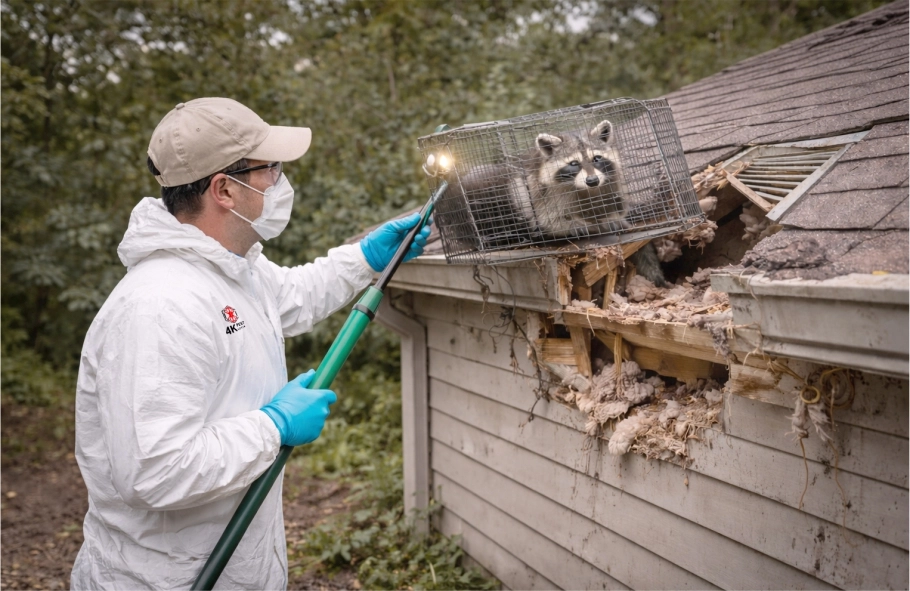


Expert Raccoon Removal Services in Bradford
- Licensed and certified technicians
- Customized treatment plans
- Ongoing prevention strategies
- Expert knowledge of local pest behavior
Get a Free Quote
Pest Removal In Bradford
How to Get Rid of Raccoons: 5 Essential Steps
A step-by-step guide to safely and humanely remove raccoons while preventing future infestations.

Check for Baby Raccoons
Assess for babies before removal during spring. Our wildlife control for baby raccoons uses humane raccoon control methods for families.
Inspect for Signs of Raccoon Infestation
Inspect property for entry points, damage, and tracks. Document all signs of raccoon infestation in homes before using raccoon pest control.
Eliminate Food Sources
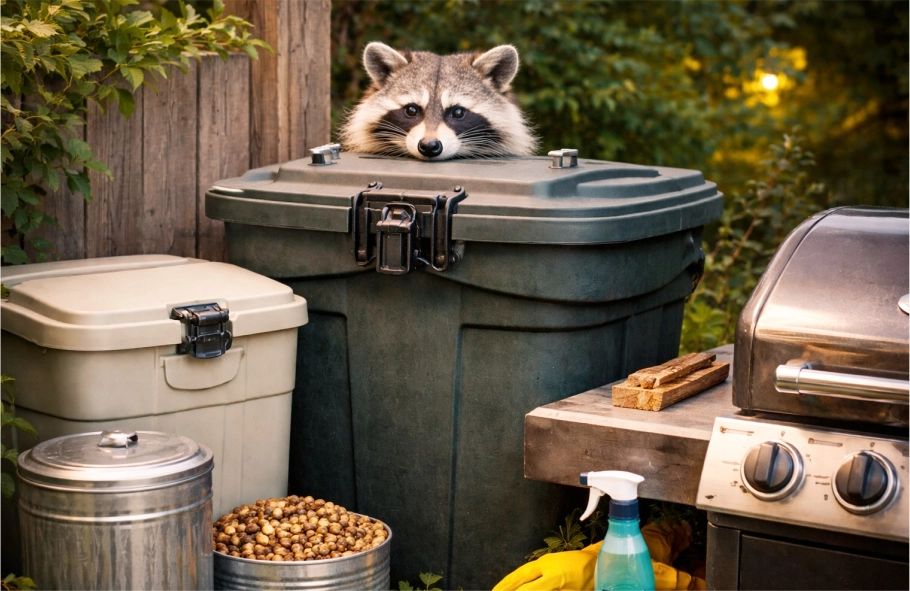
Secure garbage bins, remove outdoor pet food, clean grills, and protect compost to make your residential property unattractive to raccoons naturally.
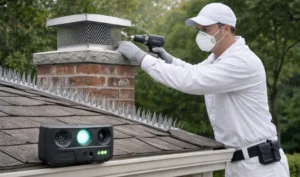
Install Deterrents to Prevent Raccoons
Use motion-activated devices and raccoon repellents. Prevent raccoons from entering your roof by reinforcing vulnerable areas and installing chimney caps effectively.
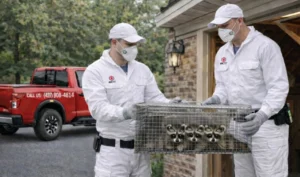
Hire Professional Raccoon Removal Service
Hire 4K Pest Control specialists for safe raccoon extermination. Our raccoon control company in Bradford provides raccoon damage repair and control services permanently.
Understanding Raccoon Behavior & Biology
Learn about raccoon habits, living patterns, potential risks, prevention methods, and professional removal solutions.
Physical Characteristics
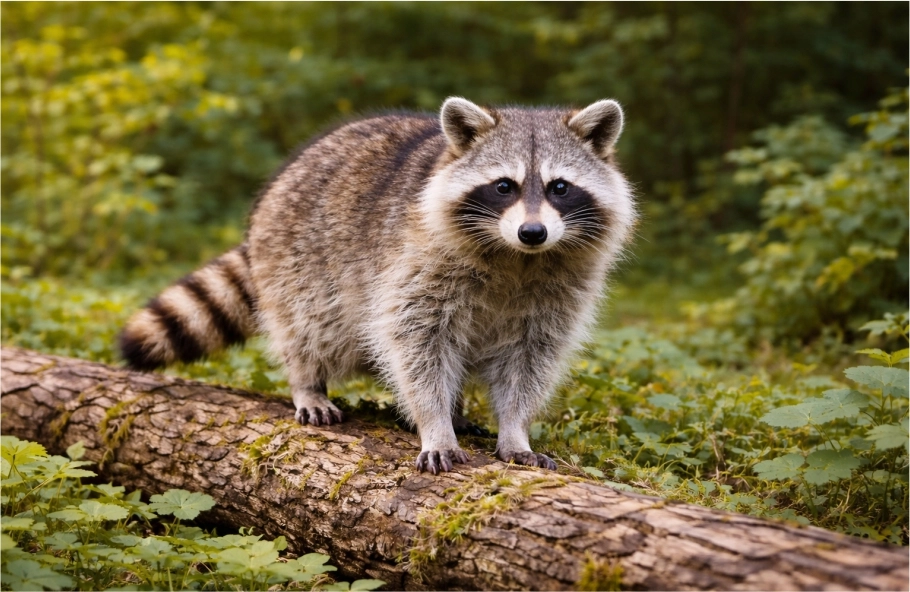
Raccoons typically weigh between 5.5 to 22 kilograms and measure 60 to 95 centimeters in length. Their distinctive bushy tails feature four to six alternating black and brown rings. They possess reddish-brown upper fur with grey undersides, a characteristic black facial mask, pointed ears, elongated snouts, and remarkably dexterous five-toed paws.
Behavior and Diet
These intelligent nocturnal mammals belong to the Procyonidae family, sharing ancestry with bears and pandas. As opportunistic omnivores, raccoons consume diverse foods including small animals, amphibians, birds, eggs, fruits, nuts, and agricultural crops. Their exceptionally agile front digits enable precise manipulation of objects while foraging, and their large hind feet provide excellent balance.
Habitat Preferences
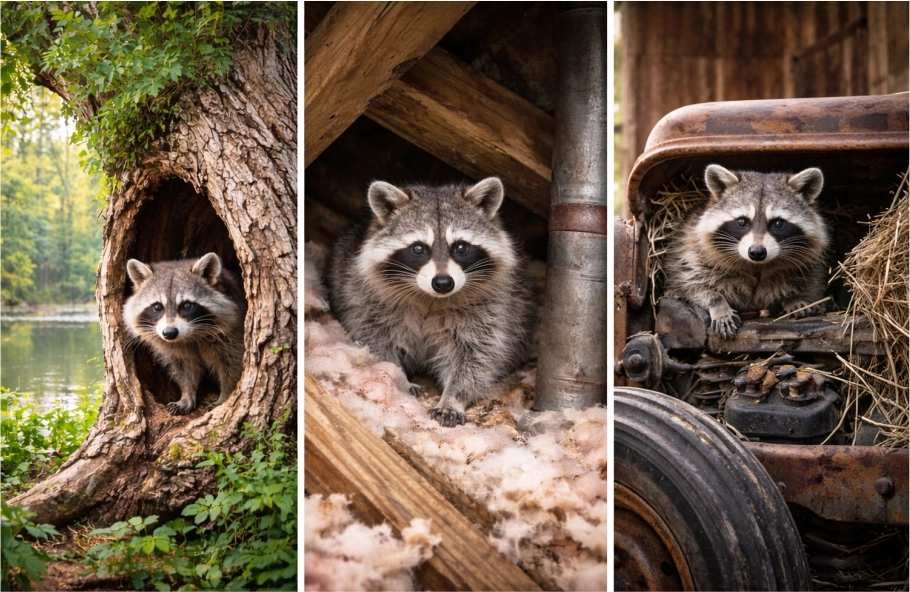
Raccoons favor environments near water sources like lakes, ponds, and streams where food is abundant. Rather than excavating their own shelters, they prefer existing tree cavities, hollow logs, rock crevices, or abandoned burrows. These adaptable creatures occasionally inhabit human structures, including attics, chimneys, basements, barns, and even farm equipment.
Reproduction
Female raccoons birth litters of two to eight cubs annually during spring, following approximately two months of gestation. The average litter contains four offspring. These animals frequently seek shelter in residential and agricultural buildings, accessing homes through various entry points and establishing dens in sheds, garages, stables, and other outbuildings throughout their territory.
Prevention Strategies
Never provide food to raccoons or leave pet food outside. Store garbage containers inside until collection day, using secured lids or locks. Utilize locked composting bins and avoid burying waste. Clean barbecue grills thoroughly after use. Seal potential entry points like pet doors and maintain vaccinations for all household pets. These simple prevention steps protect your home effectively.
Sanitation Practices
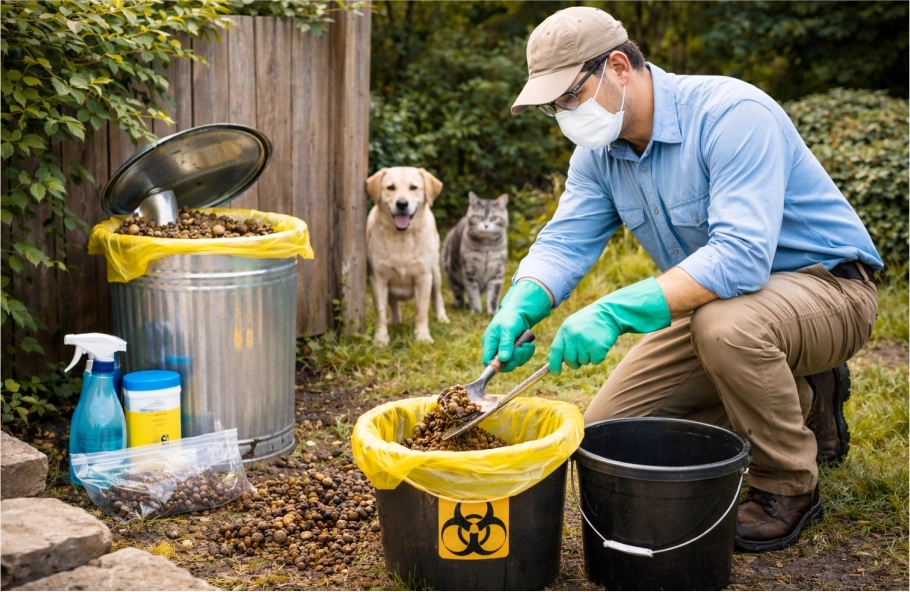
Professional wildlife pest control services should handle raccoon latrine removal due to contamination risks. Avoid direct contact with raccoon droppings and urine, which can contaminate water, soil, and vegetation. Proper cleaning protocols require specialized knowledge and equipment. Ensure all domestic animals receive rabies vaccinations regularly to prevent disease transmission from wildlife encounters.
Property Damage
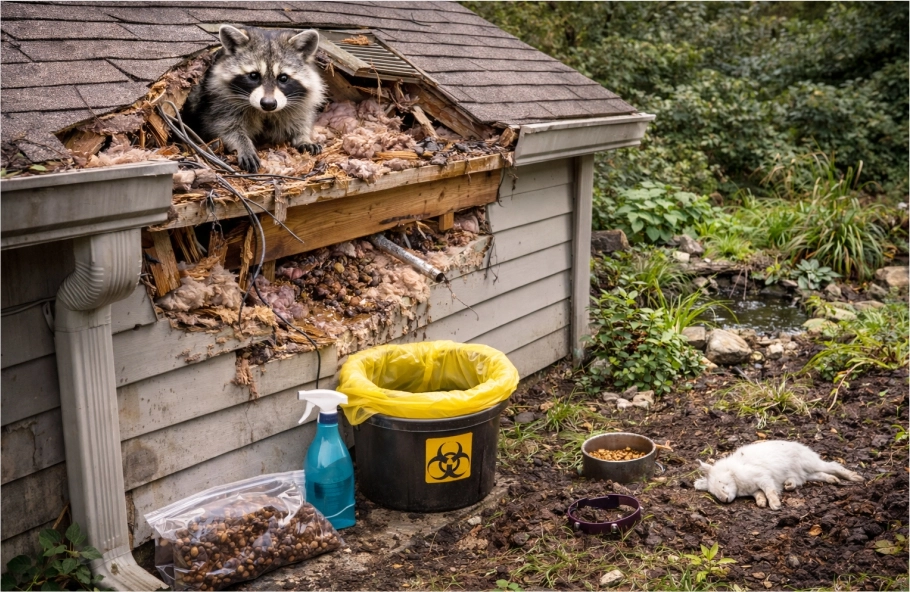
Raccoons inflict substantial structural harm including damaged roof vents, torn shingles, destroyed soffits, and compromised siding. They gnaw electrical wiring, bite water lines, and damage drainage systems causing potential flooding. Their urine penetrates walls and ceilings while feces ruins insulation. Additionally, they destroy gardens, lawns, ornamental ponds, and may kill small pets unprovoked.
Professional Removal
Each wildlife situation requires customized solutions and specialized expertise. Our best wildlife removal service for raccoons in Canada possesses necessary skills, equipment, and knowledge for safe raccoon extraction from attics, chimneys, walls, crawlspaces, and other difficult locations. Detailed property inspections identify problems accurately. Experienced wildlife specialists develop tailored removal strategies addressing specific Bradford-area raccoon conflicts effectively and humanely.
Why Choose 4K Pest Control for Raccoon Removal?
Trusted raccoon removal services delivered by certified experts, combining humane techniques, advanced equipment, and guaranteed long-term protection for your property.
Licensed & Certified Wildlife Experts
Our trained technicians have years of experience with proper certifications, ensuring compliant and superior safe raccoon pest control for residential properties service.
Humane & Eco-Friendly Removal Methods
We use government-approved ethical techniques for humane raccoon removal in Bradford that safely remove raccoons without harm while effectively resolving your property problems.
24/7 Emergency Raccoon Removal Service
Our round-the-clock availability ensures immediate emergency raccoon removal service in Bradford anytime, with rapid response teams securing your home day or night.
Transparent & Affordable Pricing
We offer honest pricing with no hidden fees on the cost of raccoon removal services in Bradford, providing detailed upfront quotes and exceptional budget-friendly raccoon control and removal services.
Guaranteed Prevention & Exclusion
Beyond removal, we seal entry points, repair damage, and install barriers ensuring lasting protection against future infestations with our raccoon exclusion and prevention service near Bradford.
24/7 Wildlife and Pest Control Services in all these Areas
At 4k Pest Control, we prioritize the safety of your family and pets by using non-toxic, specialized methods and products for effective pest control. Our expert exterminators carefully apply treatments to areas out of reach of children and pets, minimizing any risk of exposure.
Wildlife Species We Handle in Bradford
At 4K Pest Control, we manage all wildlife types known to invade Bradford properties. The following are the most common wildlife calls we receive:
Raccoons Invading Your Attic? We'll Remove Them Today!
Say goodbye to dangerous raccoons and costly property damage! 4K Pest Control’s expert team provides same-day, humane raccoon removal services with guaranteed results. Available 24/7 for emergencies!
FAQs About Raccoon Removal
How do I remove a raccoon from my house?
First, identify entry points and check for babies before attempting removal. Use humane one-way exclusion doors or contact our professional wildlife services for safe extraction and proper reunification of families. Professional technicians ensure complete removal while preventing re-entry through comprehensive sealing and exclusion methods for lasting protection.
What does raccoon removal cost?
Raccoon removal typically costs between $300-$600 depending on infestation severity, location accessibility, and required repairs. Our professional services include inspection, humane removal, cleanup, and exclusion work with transparent pricing. Additional costs may apply for extensive damage repairs, attic restoration, or emergency after-hours services requiring immediate response.
Can I remove raccoons myself?
While possible, DIY removal is risky and often illegal without proper permits. Raccoons carry diseases, may be aggressive protecting babies, and require specialized knowledge for humane, effective removal and prevention. Without proper training and equipment, you risk injury, legal violations, incomplete removal, and potential return of raccoons to your property.
When is raccoon baby season?
Are raccoons dangerous to humans?
Yes, raccoons can carry rabies, roundworms, and leptospirosis. They may bite or scratch when threatened, especially protecting young. Their contaminated feces and urine pose serious health risks requiring professional cleanup. Raccoons can also transmit diseases through parasites, and their aggressive behavior when cornered makes them particularly dangerous to untrained individuals.
How long does raccoon removal take?
Will raccoons return after removal?
Raccoons often return to familiar locations unless entry points are properly sealed. Professional exclusion work including repairs, barriers, and deterrents prevents re-entry, which is why guaranteed prevention services are essential. Without comprehensive sealing and ongoing monitoring, raccoons will likely return within weeks, making professional exclusion critical for permanent solutions and long-term protection.
What attracts raccoons to my property?
Unsecured garbage, pet food left outdoors, accessible compost bins, bird feeders, fallen fruit, fish ponds, and shelter opportunities like unsealed attics, chimneys, or crawl spaces attract raccoons seeking food and nesting sites. Water sources, dense vegetation, and warm enclosed spaces also draw raccoons, especially pregnant females searching for safe denning locations during breeding season.
Do raccoons cause property damage?
Yes, raccoons rip off shingles and vents, gnaw wiring, bite water lines, damage insulation with urine and feces, destroy gardens and lawns, and compromise structural integrity causing potentially thousands in repair costs. They also tear ductwork, destroy stored items, contaminate attics with dangerous parasites, and create fire hazards through exposed electrical wiring, making professional removal essential.
Is raccoon removal covered by insurance?
Most homeowner’s insurance doesn’t cover wildlife removal but may cover resulting damage if sudden and accidental. Check your specific policy and document all damage thoroughly before filing claims for potential coverage. Some policies exclude gradual damage or pre-existing conditions, so early detection and professional documentation significantly improve your chances of successful insurance claims for repairs.